Who Really Runs Your Community? You Might Be Surprised


When you have a problem in your neighborhood – whether it’s potholes on your street or public safety concerns or your local property taxes – who do you call?
Hint: The answer is not in Washington, D.C. or in Harrisburg. It’s in your backyard – in your local township building or borough/city hall.
The people making many of the decisions that matter most to your day-to-day life are your neighbors – the elected council members, supervisors or commissioners in your municipality.
Local government is often the most overlooked level of government, even though it can have the biggest impact on our everyday lives.
If you live in a Pennsylvania borough, chances are your borough council likely plays a major role in determining how your community operates. Council members are elected by local residents and address issues ranging from budgets and taxes to roads, public facilities, ordinances, and municipal services.
Think about that the next time you drive over a rough road or see construction starting in your neighborhood. There’s a good chance local officials have already spent considerable time discussing the issue. Those decisions involve real trade-offs. Residents want better roads, reliable services, attractive parks, and responsible development, but they also don't want their taxes to keep rising. That's where local government gets complicated.
Some may blame the mayor and wonder what the mayor does. The mayor is often the most recognizable face of a borough's government. But being mayor doesn't mean having complete control over the borough. Depending on the municipality and its governmental structure, the mayor may have important responsibilities, including public safety, police matters, and representing the community. At the same time, the borough council has its own responsibilities and authority. Ideally, the mayor and council work together. When they don't, residents notice quickly.
If you live in a township, you may or may not have a mayor at all. Instead, township supervisors or commissioners are generally responsible for overseeing township government. Their work can include roads, budgets, zoning, planning, public facilities, and other municipal responsibilities.
Trust me, much of this work isn't glamorous. Rarely, if ever, are there television cameras waiting outside a township meeting. Yet decisions made around that meeting table can affect your property, your neighborhood, and your wallet. That's why your local government needs you.
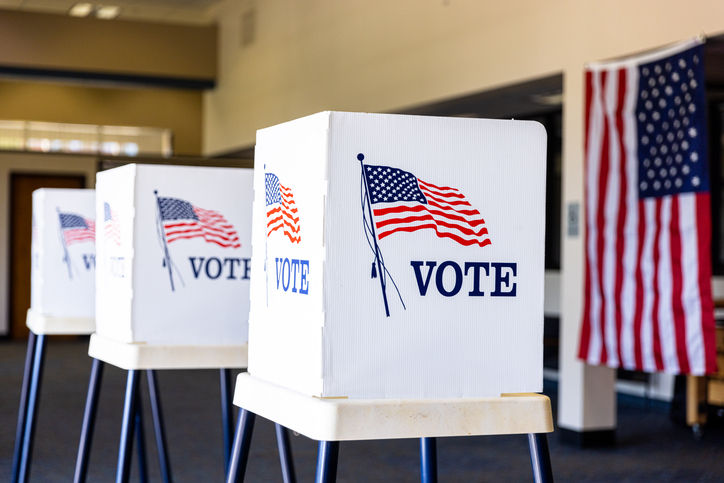
Perhaps the biggest misconception about local government is that residents can't do much about it. Actually, the opposite is true. Local government is one of the easiest levels of government for residents to participate in. You can attend meetings, contact elected officials, ask questions, comment on proposed actions, and, most importantly, vote in local elections.
So, the next time you wonder who decided that road needed to be repaired, why a development was approved, or where your local tax dollars are going, don't automatically look to Washington or Harrisburg. Look much closer to home.
Your borough council, mayor, or township supervisors may be making decisions that matter to you every single day. If you aren't paying attention to local government, someone else is. Get involved; it’s your right as an American citizen.
About the Author
David L. Anthony is a member of the Keystone Municipal Solutions team of experts. He is a veteran of municipal government, having served more than 33 years in various positions of public service. Contact him at david@keystonemunicipalsolutions.com. To learn more about David and the Keystone Municipal Solutions team, click here.