Understanding the Role of County Governments in Pennsylvania


When most people think about local government, they picture their city/borough council, mayor, or township supervisors. But there's another layer of government that plays a huge role in everyday life: county government.
In Pennsylvania, counties serve as a critical link between state government and local municipalities, providing services that many residents rely on without even realizing it.
Pennsylvania is home to 67 counties and more than 2,500 municipalities, including cities, boroughs, townships and, yes, one town (Bloomsburg). With so many local governments operating across the state, counties help coordinate services that would be difficult or expensive for individual municipalities to provide on their own.
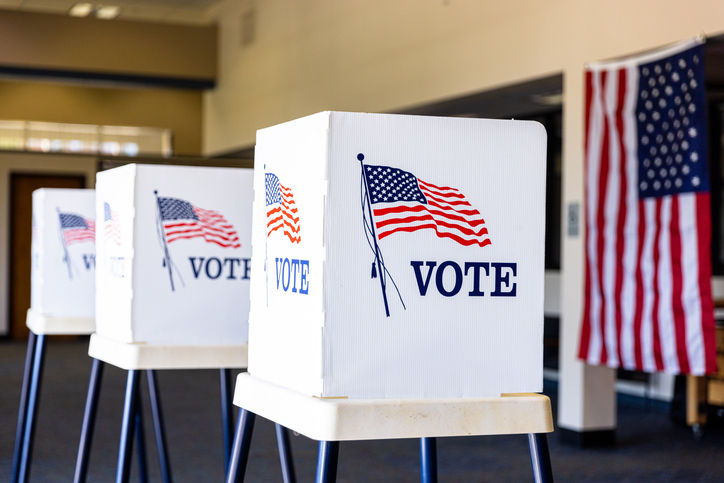
One of the most visible county responsibilities is administering elections. Counties manage voter registration, prepare ballots, oversee voting equipment, and certify election results. Every election cycle, county officials work behind the scenes to ensure residents can cast their votes securely and efficiently.
County governments also play a major role in the justice system. They maintain courthouses, support judges and court staff, and fund many court-related operations. Services such as probation programs, public defender offices, and district attorney offices are typically managed at the county level. Without county governments, many of these essential functions would be much harder to organize and fund.
Another important responsibility is human services. Counties administer programs that assist children, seniors, veterans, and individuals facing mental health or substance abuse challenges. These services help some of the most vulnerable residents access the support they need. Because counties serve larger populations than individual municipalities, they can often deliver these programs more effectively and efficiently.
Planning and development are also key county functions. County planning departments help guide growth, transportation improvements, and land-use decisions. While municipalities control their own zoning and development regulations, counties provide a broader regional perspective. This helps ensure that growth in one community does not negatively impact neighboring areas.
Emergency management is another area where counties play a vital role. Whether responding to severe weather, natural disasters, public health emergencies, or other crises, counties coordinate efforts among municipalities, first responders, and state agencies. Their ability to bring multiple communities together during emergencies can significantly improve response times and resource allocation.
The relationship between counties and municipalities is largely a partnership. Municipal governments focus on local concerns such as police protection, parks, local roads, and zoning. Counties provide services that benefit multiple communities and address issues that cross municipal boundaries. Together, they form a system designed to meet both local and regional needs.
As Pennsylvania continues to face challenges in housing affordability, infrastructure improvements, economic development, and public health, county governments are increasingly taking center stage. Many of today's issues do not stop at municipal borders, making regional cooperation essential for finding effective solutions.
Although county government may not always be the most visible level of government, its impact is felt every day. From elections and courts to human services and emergency management, counties provide the foundation for many of the services residents depend on. Understanding their role helps us appreciate how different levels of government work together to keep Pennsylvania communities strong, connected, and prepared for the future.
About the Author
David L. Anthony is a member of the Keystone Municipal Solutions team of experts. He is a veteran of municipal government, having served more than 33 years in various positions of public service. Contact him at david@keystonemunicipalsolutions.com. To learn more about David and the Keystone Municipal Solutions team, click here.